
Couples Therapy for Grief: Navigating Loss Together

Couples Therapy for Grief: When Loss Creates Distance Between Partners
Grief can change the way you and your partner communicate, connect, and move through daily life. Couples therapy for grief can support you when you are grieving the death of someone you love, a pregnancy loss, infertility, a serious illness, a job loss, or the future you once imagined together. Any of these experiences can place unexpected strain on your relationship, even when you are both doing your best to cope.
Although the loss affects both of you, you may experience it in very different ways. Your partner may want to talk about what happened often, while you need more quiet, space, or time to process. That difference can feel painful and lonely, especially when you are already emotionally exhausted.
You may wonder why your partner is pulling away, why they do not understand what you need, or why conversations that once felt easy now become tense or end in silence.
I work with many couples who care deeply about each other but feel unsure how to connect during grief and other hard times. Many come to me worried that grief has caused lasting damage to their relationship or that they have done something wrong.
The reality is that they are two people trying to carry something painful while also trying to support each other. Couples therapy for grief can help you communicate more clearly, meet each other where you are, and feel more connected as you move through the loss together.
Couples Therapy for Grief at a Glance
Grief can change your relationship. Loss can affect communication, routines, emotional closeness, intimacy, and how much energy each partner has available for the relationship.
Partners often communicate grief differently. A peer-reviewed study published in PubMed found that both talking and remaining quiet can serve emotional purposes as bereaved partners manage their grief together.
Clear communication can reduce isolation. Asking whether your partner needs comfort, practical help, space, or someone to listen can prevent painful misunderstandings.
Therapy can help you reconnect. Couples therapy for grief can give both partners room to process the loss while learning how to support each other.
You do not have to wait for a crisis. A couples therapist for grief can help when you feel distant, caught in repeated conflict, unable to discuss the loss, or unsure how to move forward together.
A supportive space for tough conversations. Navigating your shared responsibilities, rituals, and daily routines after loss can be tough; couples counseling for grief can help.
How Grief Can Change a Relationship
Grief is not limited to the death of a loved one. I work with couples navigating many kinds of loss, including the death of a child, parent, relative, or friend; pregnancy loss or infertility; a serious diagnosis; job loss or financial change; family estrangement; the loss of a home or community; and the loss of a shared future.
Loss can affect communication, routines, responsibilities, and intimacy. My clients often tell me they want to support their partner but feel too exhausted, numb, or overwhelmed to know how. This can create a painful cycle. One partner reaches for reassurance while the other pulls away for space. One feels abandoned, and the other feels pressured.
I want couples to know that strain after a loss does not mean the relationship is failing. It may mean your usual ways of connecting are no longer meeting your current needs. Couples therapy for grief can help you understand these changes and respond to each other with more care.
In therapy, both partners have space to name what the loss means to them. Those meanings may be different, even when the loss itself was shared.

What the Research Tells Us About Grief in Couples
A peer-reviewed study published in PubMed examined how parents communicated after the death of a child. The researchers found meaningful differences in how much grieving partners wanted to talk about their loss.
Some parents remained quiet because words felt inadequate or because they needed privacy to manage intense emotions. The study suggests that both talking and silence can serve a purpose when partners remain responsive to each other.
I see this in my practice. Silence does not necessarily mean a partner does not care, and wanting to talk does not mean someone is dwelling on the loss. Problems often develop when partners make assumptions about what those differences mean.
Silence may feel like indifference, while questions may feel like pressure. I encourage couples to replace assumptions with curiosity by asking, “What is happening for you today, and what would feel supportive?”
What Couples Grief Counseling Can Address
Even couples who usually feel connected can begin misunderstanding each other or arguing about things that once felt manageable. Grief does not stay contained within one part of your life. It can affect how you divide responsibilities, make decisions, handle money, spend time together, and experience emotional or physical closeness.
In couples grief counseling, I give both partners room to talk about what has changed and what they need now. We can address the loss while also working through the relationship patterns that have formed around it.
The goal is not to decide who is grieving the right way. It is to understand each other more clearly and feel less alone within the relationship.
-
You may be physically together but feel as though you are grieving in separate worlds. Therapy can help you talk about that loneliness without expecting either partner to take away the other person’s pain.
-
Medical bills, funeral costs, reduced income, or time away from work can add financial stress to an already painful situation. Couples grief counseling can make these conversations feel less isolating when money has become another source of stress.
-
Caregiving, parenting, household tasks, finances, and family communication can become uneven after a loss. We can look at what each person is carrying and create a more realistic plan based on your current capacity.
-
One partner may feel responsible for keeping everything together while the other struggles more openly. When the strong partner stops sharing their own pain, that role can lead to exhaustion, resentment, and emotional isolation.
-
You may disagree about memorials, belongings, holidays, anniversaries, or how often to talk about the person who died. In our work, we can explore the meaning beneath those choices so the conversation does not become a fight about who is right.
-
Grief can affect affection, vulnerability, sexual desire, and comfort with physical closeness. Couples grief therapy can give you room to discuss those changes without blame, pressure, or assumptions about what they mean for your relationship.
-
My clients sometimes feel guilty when they laugh, rest, spend time with friends, or enjoy a moment of relief. I remind them that feeling joy does not erase the loss or reduce the love they carry.
How Couples Therapy for Grief Can Help You Stay Connected
My goal is not to make you grieve in the same way. It is to help you understand each other’s experience and respond with more patience, clarity, and care.
In couples therapy for grief, we slow down the interactions that leave both of you feeling misunderstood. We look at what each person is feeling, what they are trying to communicate, and what gets lost between intention and impact.
Making Room for Two Grief Experiences
You may carry different memories, regrets, responsibilities, or fears, even when you are grieving the same loss. I give each partner room to speak honestly without defending or minimizing their experience so both stories can exist.
Identifying the Cycle Beneath Repeated Conflict
Many grief-related arguments are not really about chores, missed calls, or family plans. We look for the loneliness, pressure, fear, or exhaustion beneath the conflict so the pattern becomes the problem, not either partner.
Learning How to Ask for Support Clearly
Your partner may love you deeply and still not know what you need. We practice clear requests, such as, “Can you listen without giving advice?” or “I need some time alone, and then I would like to sit together.”
When to Work With a Couples Therapist for Grief
You do not have to wait until your relationship feels like it is in crisis to ask for support. A couples therapist for grief can help when distance, resentment, or repeated conflict are becoming part of daily life.
It may be time to reach out when the same arguments are becoming more frequent or lasting longer, even when the topic changes. You may be talking less, spending more time apart, avoiding affection, or staying silent about the loss because you are afraid of upsetting each other.
Caregiving, parenting, finances, family decisions, and household responsibilities can also create tension when one partner feels they are carrying more. Some couples agree that life has changed but feel unsure how to rebuild routines, make decisions, or stay connected while grieving differently.
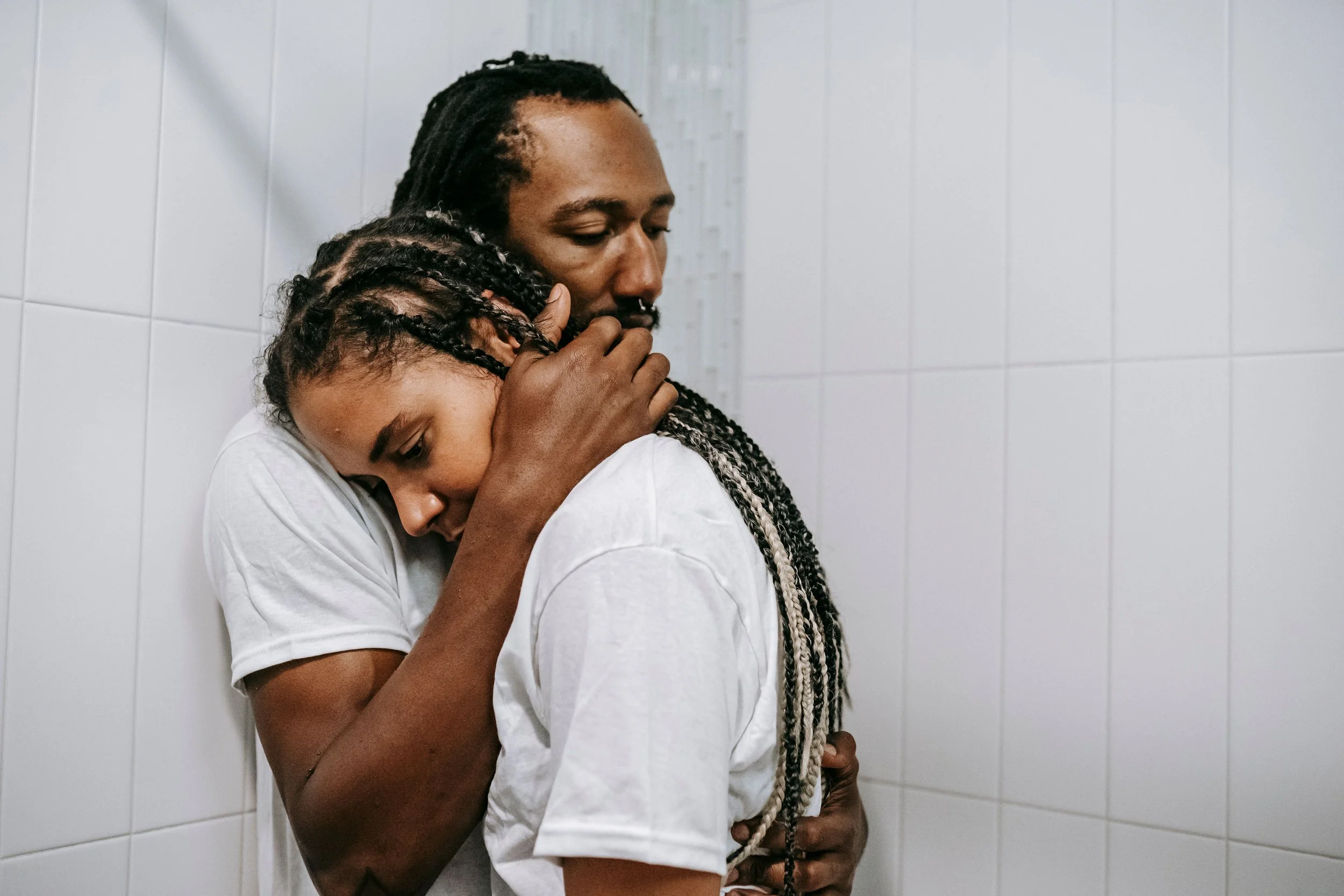
What You Can Expect From a Couples Therapist for Grief
When you begin therapy with me, I offer a warm, nonjudgmental space where both partners can speak honestly. If you are looking for San Diego grief therapy that also supports your relationship, I can help you make sense of what has changed without asking either of you to rush your grief or pretend everything is okay.
My approach is compassionate and practical. I draw from the Gottman Method and other evidence-based approaches to strengthen communication, manage intense emotions, and understand the protective reactions that can appear during grief.
Together, we look beneath arguments to identify the hurt, fear, loneliness, or helplessness underneath. A couples therapist for grief can help you practice different responses before painful patterns become automatic. My clients also leave with practical strategies they can use between sessions because understanding the pattern matters, but you also need tools for the moments when grief shows up at home.
Moving Forward Does Not Mean Leaving the Loss Behind
Moving forward does not mean forgetting the person, relationship, ability, identity, or future you lost. It means learning how to carry that loss while continuing to participate in your life and relationship.
You may create new traditions, change old ones, or find meaningful ways to honor what mattered. Couples grief counseling can support that process when partners need help finding shared language for what comes next. Moments of joy, closeness, and new plans do not erase your grief. Grief and hope can exist together.
I offer in-person couples therapy for grief in San Diego and online therapy across California, Arizona, and New York. I can help you and your partner understand each other more clearly, rebuild connection, and move forward through the pain, together.