

When Feeling Secure in a Relationship Doesn't Come Easily
You can have a wonderful date, feel excited about someone, and still spend the next morning wondering where you stand. Maybe their usual good-morning text doesn't arrive, and suddenly you're replaying everything you said. You know they could simply be busy, but the uncertainty is hard to shake.
If that sounds familiar, I want you to know there's a reason these moments can feel so intense. As an anxious attachment therapist in San Diego, I help adults understand the fears that show up in dating and relationships, and find ways to feel more confident without shutting down their need for connection.
Anxious attachment in relationships can make small changes feel like signs of rejection. But this is a pattern, not a diagnosis or a permanent part of who you are. With some understanding, patience, and support, you can begin to feel more secure in yourself and the relationships that matter to you.
Key Takeaways
Uncertainty can feel especially intense with anxious attachment. A delayed reply or change in plans may bring up fears of rejection, even when a relationship seems to be going well.
These patterns often have understandable roots. Earlier relationships, difficult breakups, or inconsistent support can shape what you expect from closeness. A 2022 research review published by the NIH also found an association between attachment anxiety and emotional distress.
Reassurance isn't always lasting relief. It can help in the moment without addressing the fear that returns when something else feels uncertain.
Small changes in your response can make a difference. Pausing, checking your assumptions, and expressing your needs clearly can help you feel more confident in your relationships.
More secure ways of connecting can develop over time. Self-awareness, supportive relationships, and therapy can help you practice new patterns without expecting perfection.
What Anxious Attachment Can Feel Like
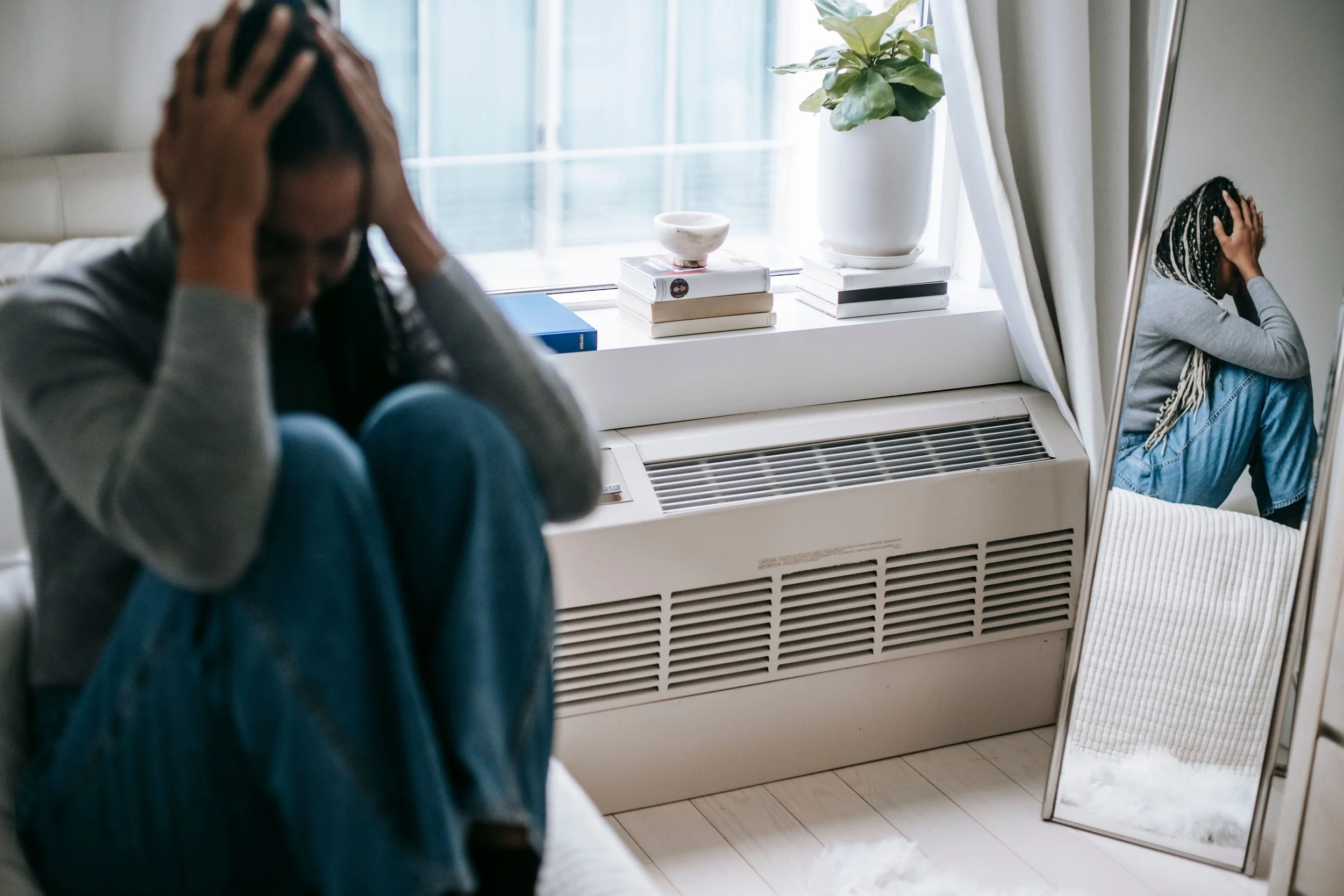
Anxious attachment often combines a strong desire for closeness with worry that the connection might disappear. You might feel comfortable when you're together, then become preoccupied with what your partner is thinking once you're apart. Even when things are going well, part of you may be waiting for something to change.
Maybe you check your phone more often than you'd like, second-guess what you've said, or avoid bringing up a concern because you're afraid of pushing someone away. These reactions can be exhausting, especially when you recognize what's happening but can't seem to stop worrying.
In my work as an anxious attachment therapist in San Diego, I help people make sense of these experiences without feeling ashamed of them. I don't want you to feel like you're doing relationships wrong. I want to help you understand what's happening beneath the anxiety so you can begin responding to it with more confidence.
Where These Fears Can Come From
Sometimes, your relationship history helps explain why uncertainty feels so uncomfortable. Maybe someone you trusted became distant without explanation, or you learned early on to watch other people's moods so you could anticipate what was coming.
Experiences like these can influence what you expect from relationships today, even when you're with someone who treats you differently. That doesn't mean every anxious thought comes from childhood, or that your current concerns are imaginary. A partner's inconsistency, dishonesty, or unwillingness to communicate may deserve real attention.
One thing I explore with clients is how to recognize the difference between an old fear resurfacing and something happening in the relationship that genuinely needs attention. Both deserve to be understood.

Why Reassurance Can Feel Like Not Enough
Picture this: you send a message, hours pass, and you begin wondering whether your partner is pulling away. You send another text, ask a friend to interpret the situation, or reread your last conversation. When your partner finally replies warmly, you feel relieved. Then a few days later, another small change starts the worry again.
If you've experienced this cycle, you know how frustrating it can be. You might even feel upset with yourself for needing reassurance when you thought you'd already worked through the worry. As an anxious attachment therapist in San Diego, I want you to understand that needing reassurance isn't the problem. We all want to feel loved, valued, and cared for. The difficulty comes when reassurance becomes the only way you can feel okay, and that relief disappears as soon as something else feels uncertain.
Through anxious attachment counseling in San Diego, we can explore what happens between the moment you feel triggered and the urge to seek reassurance. Together, we'll work on understanding those reactions and finding ways to feel steadier, even when you don't have all the answers.

What to Do When Attachment Anxiety Takes Over
When you're anxious about someone you care about, the urge to do something immediately can be powerful. You might want to send another message, ask for reassurance, or figure out exactly what the other person is thinking.
I often remind clients that they don't need to solve their entire relationship in one uncomfortable moment. Sometimes, the most helpful place to start is by giving yourself a little room to understand what you're feeling.
Pause Before Responding
If you're tempted to send another message or ask the same question again, try setting your phone down for a few minutes. Notice your breathing, take a short walk, or do something familiar that helps you settle.
I know that sounds simple, especially when your mind is telling you something is wrong. But the goal isn't to make your feelings disappear. It's to give yourself a chance to respond in a way that feels right to you, rather than letting anxiety make the decision.
When I work with clients as an anxious attachment therapist in San Diego, we find grounding strategies that fit their personalities and everyday routines. You don't need to become someone who meditates every morning or handles every stressful moment perfectly. We're looking for small, realistic changes that make life feel easier.
Check the Facts Behind the Fear
Ask yourself what actually happened and what you're afraid it means. "They haven't replied since lunch" is something you know. "They're losing interest" is one possible explanation, but it isn't a fact.
I encourage clients to get curious about the stories their minds create during these moments. What evidence supports that fear? Could something else be happening? Have you experienced something similar before?
This doesn't mean convincing yourself that everything is fine when it isn't. You can acknowledge that something bothers you while staying open to more than one explanation.
Say What You Need Clearly
If you'd appreciate more consistency, it's okay to say so. You might try, "I've noticed we've talked less this week, and I've been feeling unsure. Could we check in?"
I know these conversations can feel vulnerable, especially when you're worried that expressing a need might push someone away. But you deserve relationships where you can talk about your feelings without constantly worrying about how they'll be received.
In our work together, we can practice having these conversations in ways that feel comfortable and authentic to you. Clear communication also gives you a chance to see whether the other person is willing to listen and meet you with care.
What Building More Secure Relationships Can Look Like
Anxious attachment healing isn't about becoming someone who never worries or needs reassurance. It's about finding a greater sense of trust in yourself, even when relationships feel uncertain.
Maybe you start making plans with friends instead of keeping your evening open just in case someone texts. Maybe you notice a familiar worry without spending the next hour trying to make sense of it. Or perhaps you finally feel comfortable asking for something you need without apologizing.
These moments might not seem like major milestones, but I think they're worth celebrating. When you're used to feeling anxious in relationships, learning to trust yourself can take time.
If you're considering working with an anxious attachment therapist in San Diego, I want you to know that building security doesn't mean you have to change everything about yourself. Your desire for closeness and connection is something we can honor while working on the fears that make relationships feel difficult.
You also deserve to look honestly at the relationship itself. Feeling secure doesn't require accepting disrespect or repeated boundary violations. A healthier connection should leave room for both people's feelings, preferences, and limits.
If you're finding it difficult to communicate your needs or navigate recurring disagreements, my relationship therapy services in San Diego can help you explore those patterns and find ways to feel more connected and confident.

What to Expect From Anxious Attachment Counseling in San Diego With Me
Sometimes, understanding your patterns doesn't make them easier to change. You might know why you're overthinking a conversation but still find yourself doing it. Through anxious attachment counseling in San Diego, we'll explore what brings up those fears and work toward feeling more confident in your relationships.
My approach is warm, collaborative, and practical. I want you to feel comfortable sharing your experiences without worrying about having the right words. Together, we might explore past relationships, practice managing anxious thoughts, or work on communicating your needs. Anxious attachment style therapy can include attachment-based work and other approaches that fit your goals.
As an anxious attachment therapist in San Diego, I can help you make meaningful changes in everyday life, whether that's feeling calmer while dating, speaking up about your needs, or trusting your own judgment. You can also learn more about my approach to relationship anxiety therapy.
Start Feeling More Confident in Your Relationships Today
You deserve to enjoy getting to know someone without feeling like you're constantly waiting for something to go wrong. You deserve to feel comfortable expressing your needs, trusting your feelings, and enjoying the relationships you've worked so hard to build.
I know these patterns can be frustrating, especially when you've tried to work through them on your own. But you don't have to have everything figured out before asking for support, and you certainly don't have to do it all by yourself.
If you're looking for an anxious attachment therapist in San Diego, I'd love to help you feel more confident and connected in your relationships. I offer in-person sessions in San Diego and virtual therapy throughout California, Arizona, and New York.
If anxious attachment counseling in San Diego sounds like the support you've been looking for, I'd love to hear what you're experiencing. Reach out today!